Lab-grown diamonds are not a compromise. They are the same stone, made with intention.
A lab-grown diamond is a diamond. The same carbon crystal lattice, the same brilliance, the same hardness. What differs is the origin: one is grown above ground over weeks, the other formed below it over a billion years.
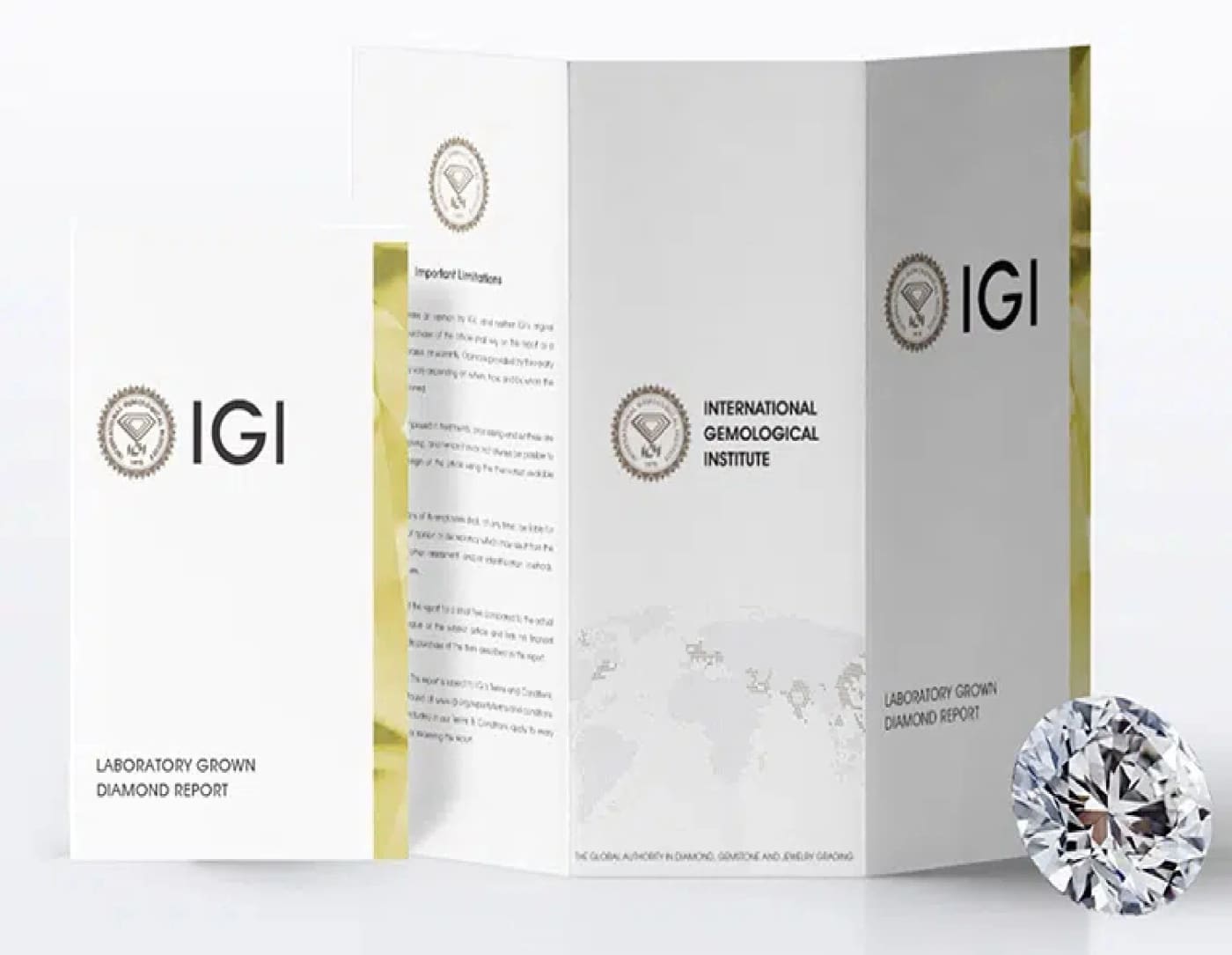
This is not a marketing position. It is what gemmology says. Under a loupe, under a microscope, in the hand — a well-cut lab-grown stone and a well-cut mined stone are the same material behaving the same way. Telling them apart requires specialist equipment, which is precisely why the reports matter and why every diamond we set carries one.
What changes for a designer
As a designer, what I love is control. When a stone is grown at the source, we know exactly what it is and where it came from. There is no guesswork in the supply chain, no murky provenance, no environmental debt we cannot see.
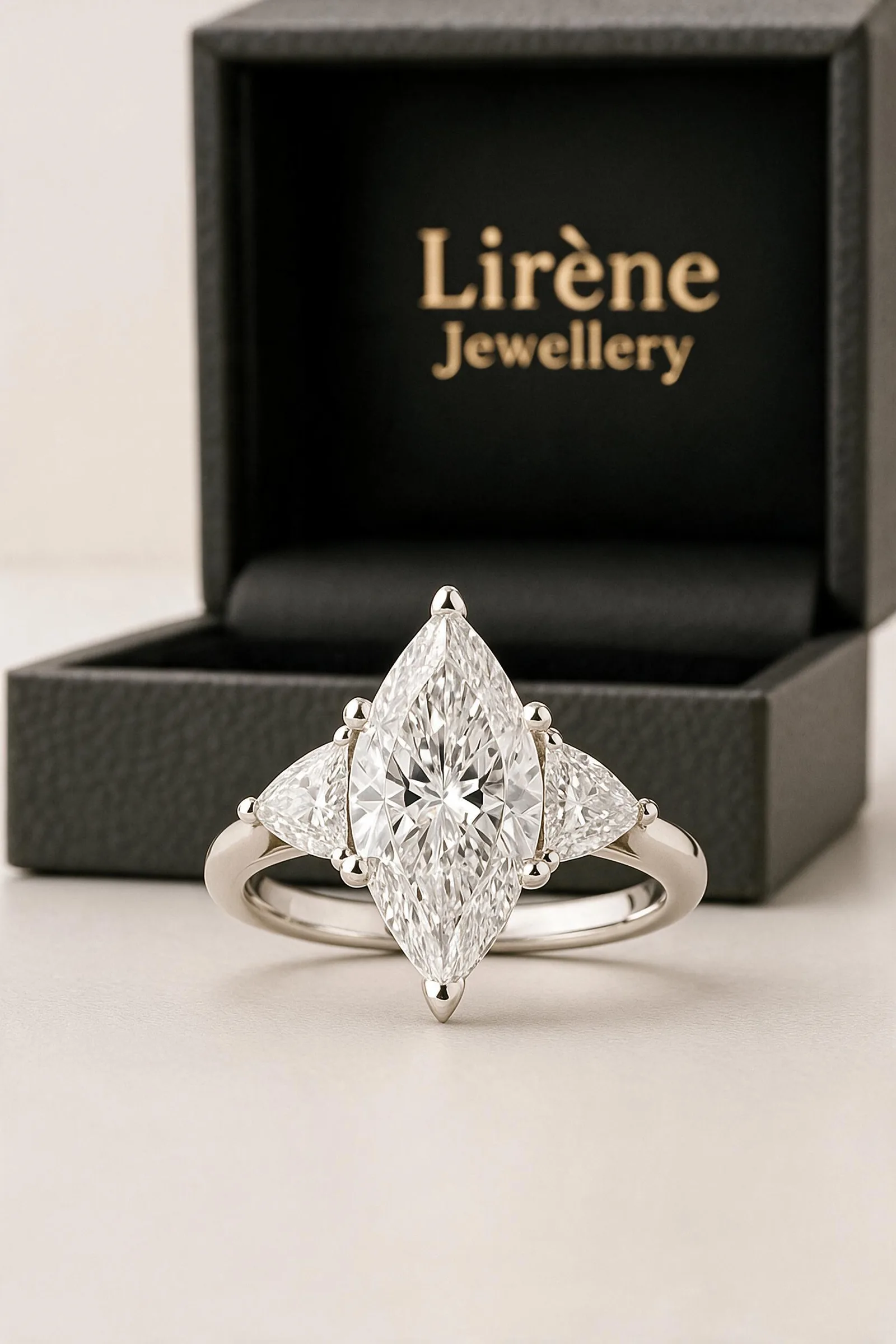
There is also availability. Certain cuts — a long emerald, a fine marquise, a matched pair for drop earrings — are difficult to source in mined stones at a consistent grade, and the wait can run to months. Grown stones make it possible to specify a shape and a grade and actually receive it, which is what allows us to work made-to-order rather than from a case of whatever happened to be available.
And there is the matter of value. Because lab-grown stones are more accessible, our clients can choose a finer cut, a larger stone, or a coloured gem they might otherwise never consider — for the same budget. The craft goes up, not down.
Where the saved budget usually goes
The most common decision we talk clients through is not diamond versus diamond. It is what to do with the difference.
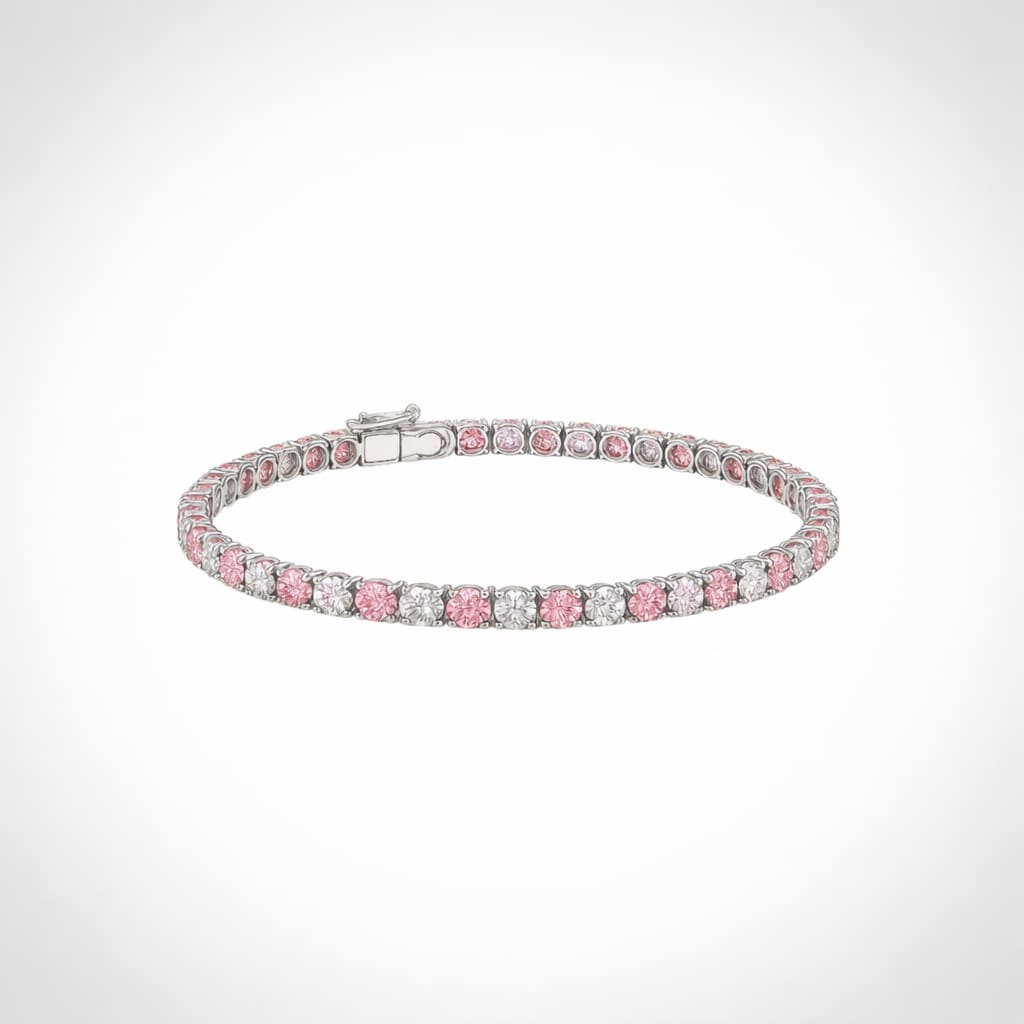
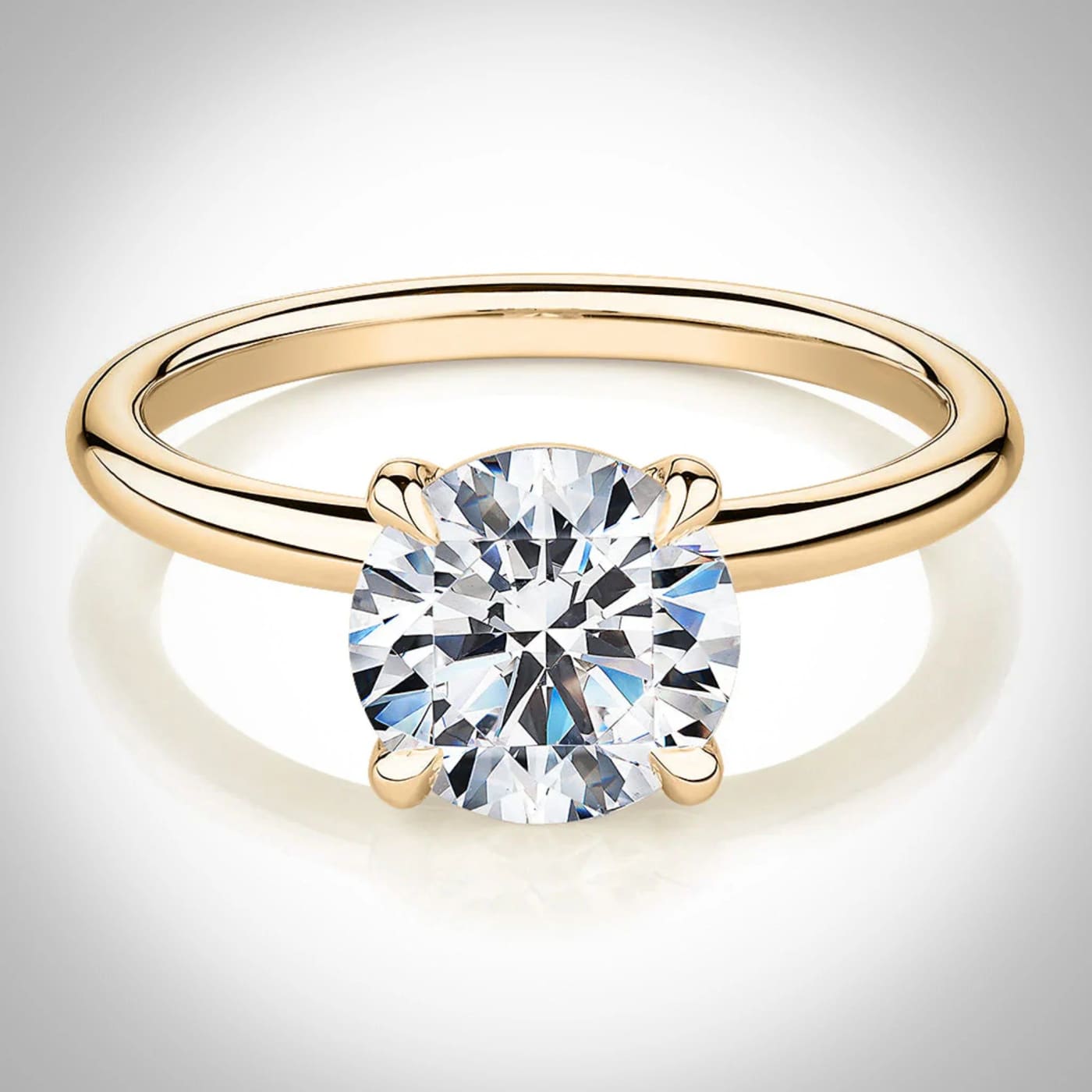
Some take the carat. A stone that would have been a stretch becomes comfortable, and the ring they imagined is the ring they get. Others hold the size and lift everything around it — solid 18K gold rather than vermeil, a better cut grade, a hand-set band instead of a plain one. A third group takes the difference and buys the second piece: the eternity band that was meant to come later, or the tennis bracelet that was going to be next year.
None of these is the right answer. But it is a genuinely open question, and it is a more interesting one than most jewellery shopping allows.
What we tell clients who are unsure
Some people arrive certain they want a mined stone, usually because of what a diamond is supposed to mean. That is a real consideration and we do not argue with it — we set natural diamonds too, IGI certified in exactly the same way, and several of the tennis bracelets exist in both.
What we do ask is that the decision be made for the right reason. If a natural stone matters because of its age and its improbability, that is a good reason. If it matters only because someone assumed lab-grown was a lesser material, that is a misunderstanding worth clearing up before spending several thousand dollars on it.
The resale question comes up as well, and it deserves an honest answer: lab-grown diamonds do not hold a resale value in the way rare mined stones sometimes can. Very little jewellery does. We would rather a client hear that from us than discover it later.
The honest position
We do not argue against mined diamonds. We simply believe that for the jewellery we want to make — considered, made to order, made for you — lab-grown is the honest and beautiful choice.
It puts the money into the parts you can see: the cut, the metal, the setting, the hand that finished it.