We sell both, which means we have no argument to win here. What follows is what we tell clients who ask.
The lab-grown question is usually framed as real versus fake. That framing is wrong, and it makes the actual decision harder to see. A lab-grown diamond is a diamond by every measure a gemmologist uses. The real differences are about origin, price and how each holds value — and those differences are worth understanding properly before you spend.
The same material, made differently
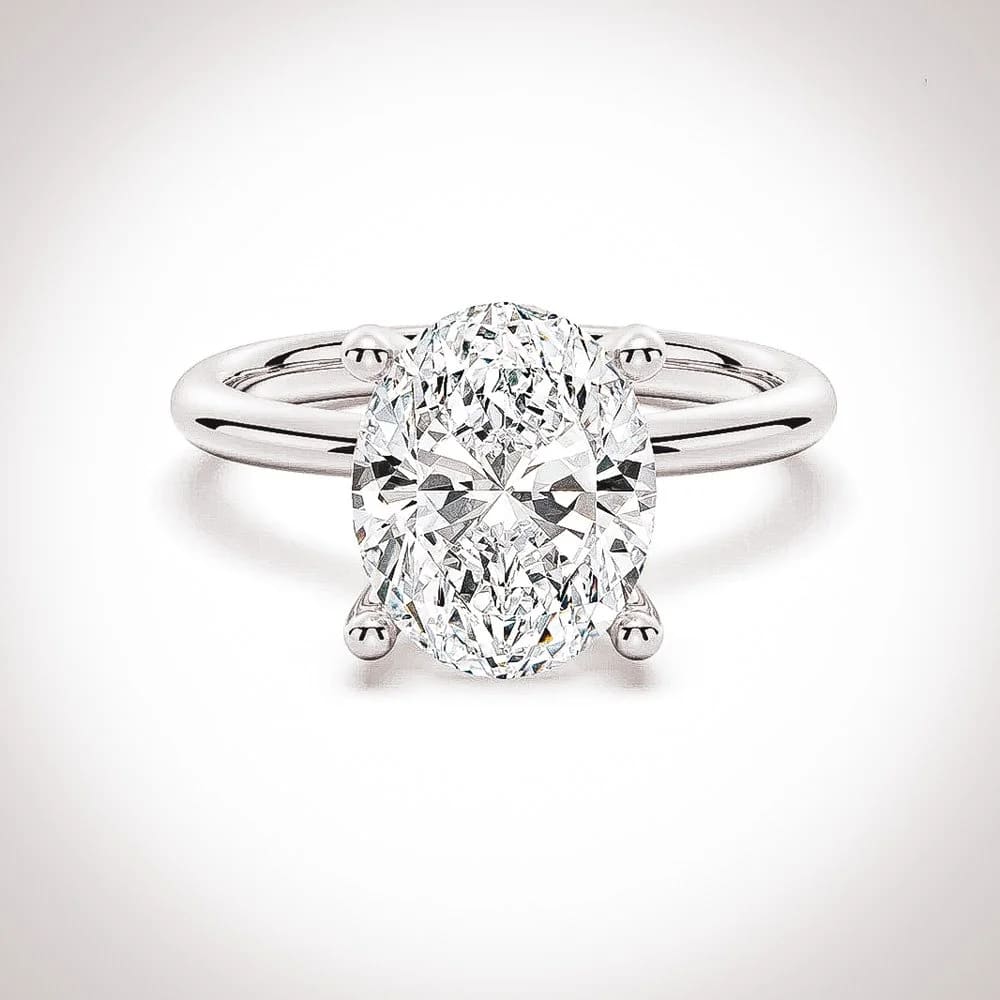
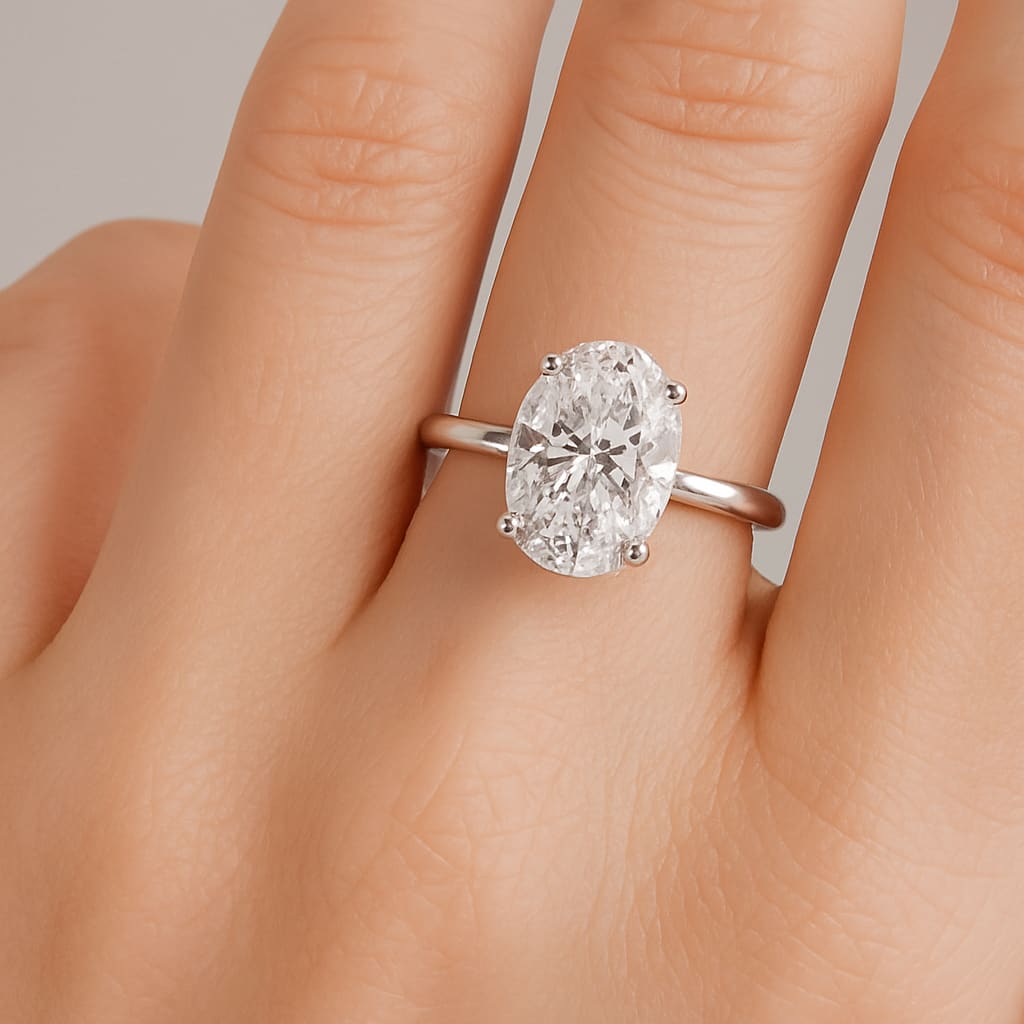
Both are pure crystallised carbon in the same cubic lattice. Both measure 10 on the Mohs scale. Both have the same refractive index, the same dispersion, the same thermal conductivity, and the same behaviour in light. Set one of each side by side and no unaided eye — including a jeweller's — will reliably tell you which is which.
Distinguishing them is a laboratory matter. Grading institutes read growth structure and trace elements with instruments built for the purpose. This is not a shortcoming of lab-grown stones; it is the reason they are diamonds rather than imitations.
How each one is made
Natural diamonds crystallised in the mantle under extreme pressure and heat, and were carried up by volcanic activity. The material is old on a scale that is difficult to hold in the mind, and recovering it is an industrial undertaking with real environmental and human considerations attached — ones a responsible supply chain manages rather than eliminates.
Lab-grown diamonds are grown from a diamond seed, either under high pressure and temperature or by chemical vapour deposition, over a period of weeks. The process is energy-intensive, and the honest environmental claim depends heavily on how that energy was generated — a lab-grown diamond is not automatically the greener choice, and anyone telling you otherwise without naming the energy source is overselling.
Certification: identical, and non-negotiable for both
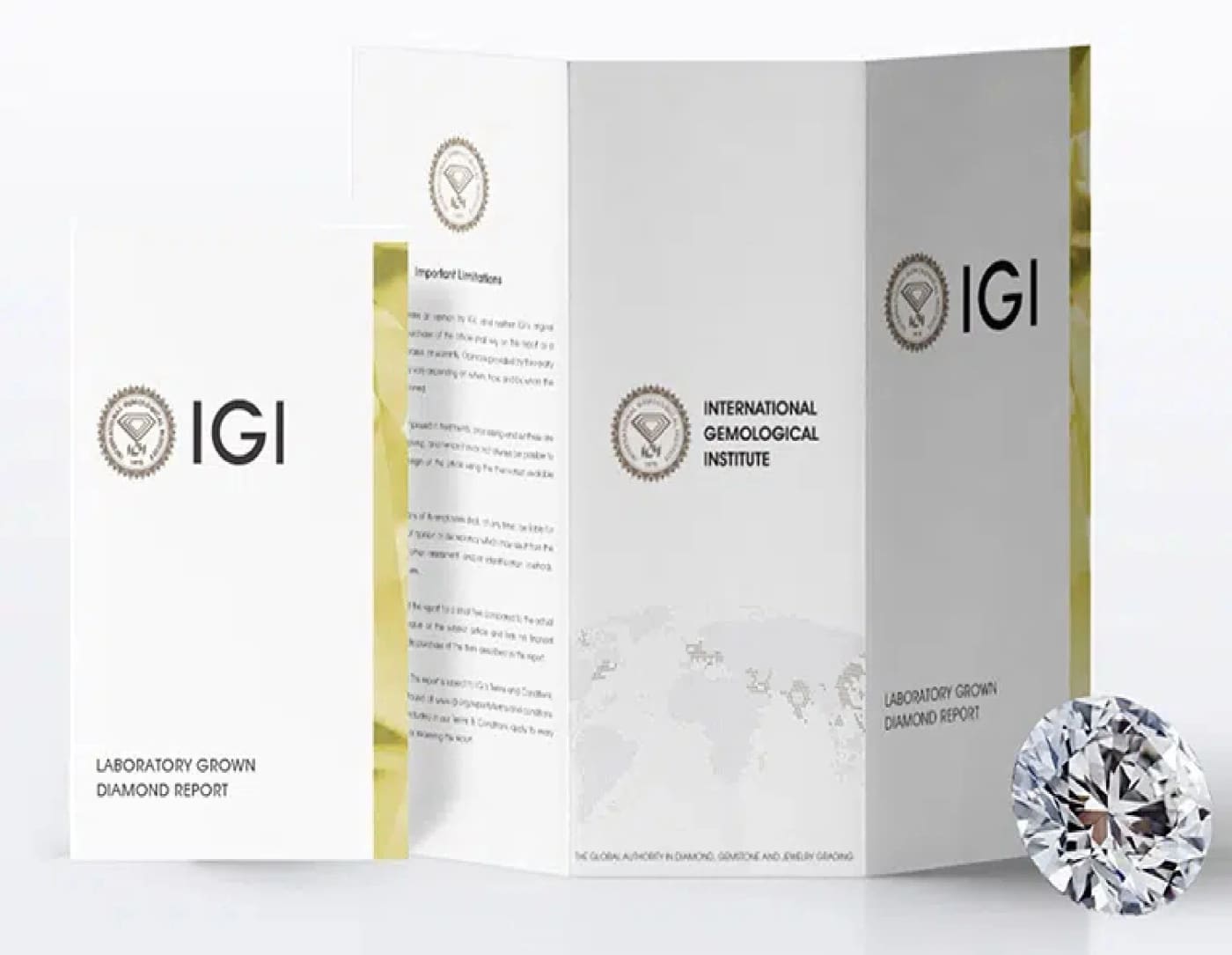
IGI grades both on the same four criteria — cut, colour, clarity and carat — and states the origin explicitly on the report. There is no separate, softer scale for lab-grown stones.
This matters more than most people expect. Because the two are visually indistinguishable, the certificate is the only thing standing between you and a stone described by the person selling it. Buy either, but buy it certified, and verify the report number against the institute's own database.
Price
This is the substantial difference. For a comparable cut, colour and clarity, a lab-grown diamond typically costs a fraction of the natural equivalent, and the gap widens as carat weight increases — because large natural stones are scarce in a way that grown stones are not.
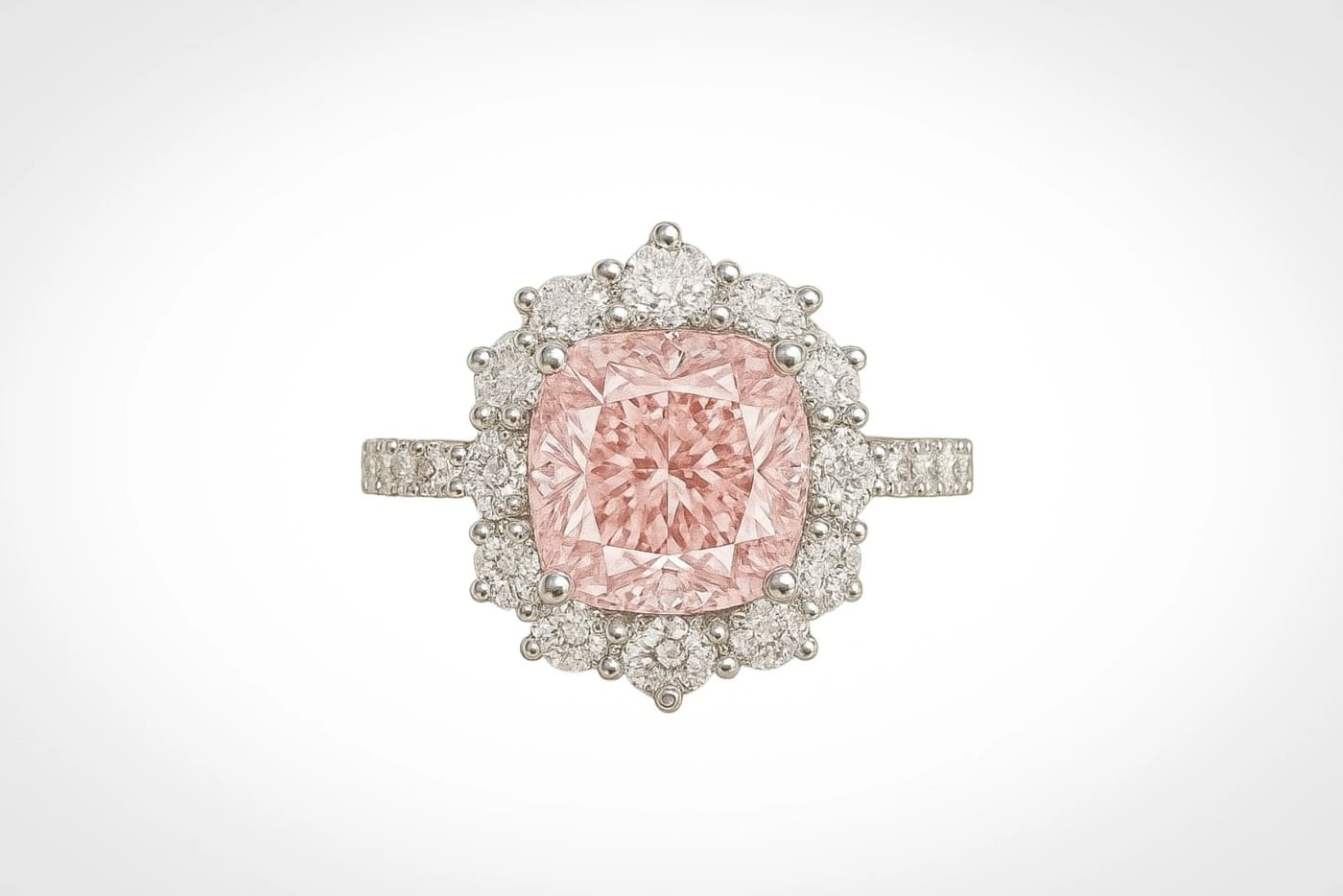
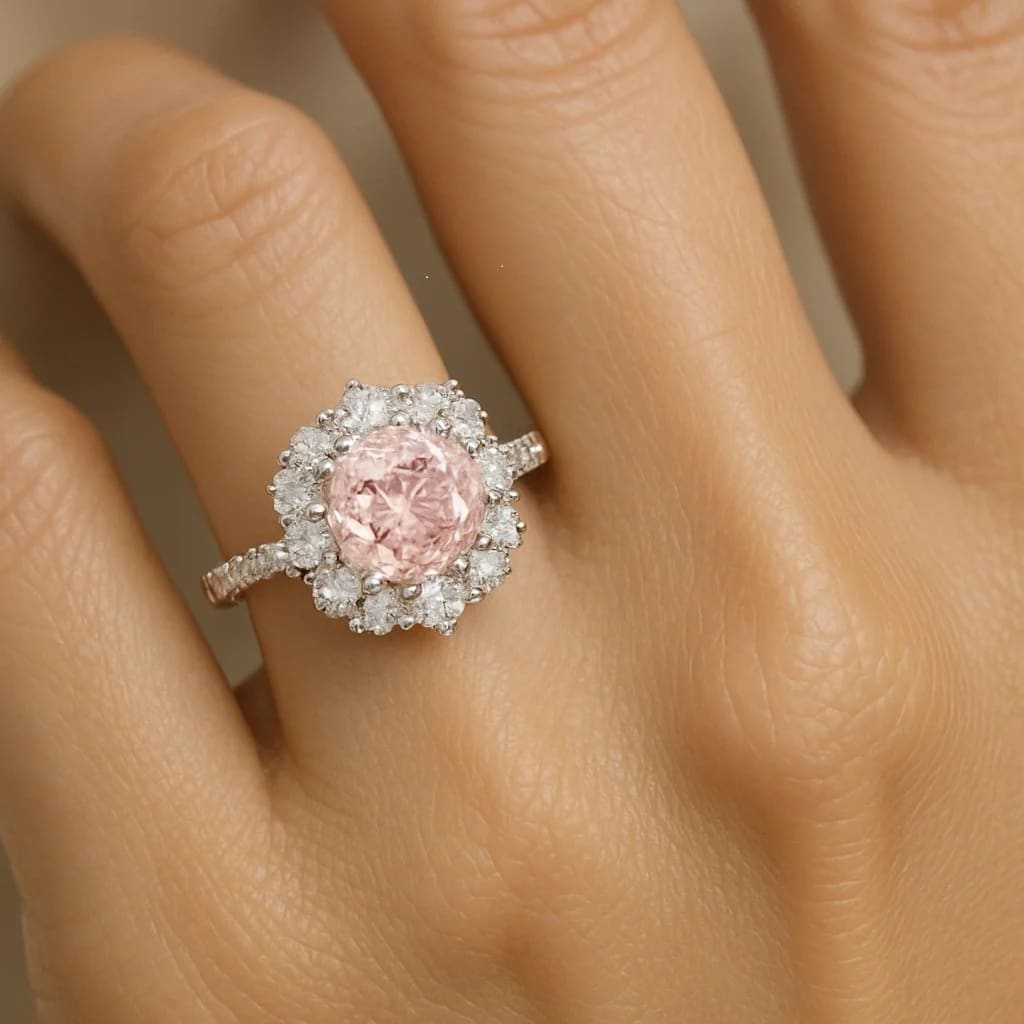
In practice this changes what is reachable rather than merely what is cheaper. The same budget buys a materially larger or better-graded stone, or the same stone with a considerably better setting. For fancy colours the effect is dramatic: a natural pink diamond of real saturation is a collector's object, while a grown one is an achievable piece of jewellery.
Resale and holding value
Here we will be blunt, because the industry often is not. Lab-grown diamonds do not hold resale value the way natural stones do. Production capacity has grown quickly, wholesale prices have fallen accordingly, and a lab-grown stone bought today may be replaceable more cheaply in five years.
Natural diamonds resell better in relative terms, but that comparison is often overstated too — jewellery of any kind is a poor investment, and the resale on a retail-bought natural diamond is usually a fraction of what was paid. If you are buying an asset, buy an asset. If you are buying something to wear for the next forty years, this consideration matters far less than it is made to sound.
So which one
Choose lab-grown if you want the largest, best-graded stone your budget reaches, and you are buying a piece to wear rather than to resell. That is most people, and it is most of what we make.
Choose natural if origin genuinely matters to you — if the age of the material is part of why you want it, or the piece is meant to be inherited and you want that provenance attached. That is a legitimate reason and not a sentimental one; we source certified natural stones for exactly this, without trying to talk anyone out of it.
What we would not do is choose either without a certificate, or pay a Central retail markup for the privilege of doing so.